
Why Timely Car Repairs Save You Money and Protect Your Vehicle
A small rattle, a warning light, or a soft brake pedal can feel easy to ignore when the car still runs. That is what makes delayed repairs so risky. Many vehicle problems begin as minor issues, then spread to other systems, create safety hazards, and turn into much larger repair bills.
Timely car repairs are not just about keeping a vehicle in nice shape. They help protect your engine, brakes, tires, suspension, and wallet. They also reduce the chance of being stranded on the side of the road or facing a failure that could have been prevented with one visit to a repair shop.

Small car problems rarely stay small
Cars are built from connected systems. When one part stops working correctly, nearby parts often work harder to make up for it. That extra strain can create a chain reaction.
For example, a worn belt may start with a faint squeal. If ignored, it can crack or snap. That can affect the alternator, power steering, cooling system, or other components, depending on the vehicle. What began as a simple replacement may become a tow, a dead battery, or an overheated engine.
The same is true for fluid leaks. A few drops of oil on the driveway may not seem urgent. But low oil can reduce lubrication, increase heat, and damage internal engine parts. Low coolant can lead to overheating, which may warp components and create expensive repairs.
The less time a damaged part spends under stress, the better the odds of a lower repair bill.
Delaying engine repairs can get expensive fast
The engine is one of the most important and expensive systems in any vehicle. It needs clean oil, proper cooling, good airflow, the right fuel mixture, and working sensors to run well.
A “check engine” light does not always mean disaster, but it should not be ignored. Sometimes it points to a loose gas cap or a minor sensor issue. Other times, it can signal a misfire, fuel system problem, or emissions issue. Driving for weeks with a misfire can damage the catalytic converter, which is often far more expensive than fixing the original cause.
Common engine issues that can worsen over time include:
Oil leaks
Low oil can lead to poor lubrication and internal wear.
Coolant leaks
Low coolant can cause overheating and serious engine damage.
Misfires
A rough-running engine can damage other parts if the cause is ignored.
Worn spark plugs
Poor ignition can reduce fuel economy and strain the engine.
Overheating
Repeated overheating can turn a repairable issue into major engine work.
The warning signs are often clear. Watch for rough idling, hard starts, burning smells, smoke, rising temperature gauges, or unusual knocking sounds. If the vehicle feels different from normal, it is better to find out why sooner rather than later.
Brake problems can become safety problems
Brake repairs are one of the clearest examples of why timing matters. Brakes wear gradually, so it is easy to get used to the change. A longer stopping distance or a faint squeak may not feel urgent at first. But brake wear can progress quickly once pads become too thin.
When brake pads wear down, the metal backing can contact the rotor. That can create grinding noise, reduce stopping power, and damage the rotor surface. A simple brake pad replacement may turn into pads, rotors, calipers, or other brake system work.
Signs that your brakes need attention include:
Squealing, scraping, or grinding sounds
A brake pedal that feels soft, spongy, or unusually low
Vibrations when braking
Pulling to one side when stopping
A burning smell after braking
A brake warning light on the dashboard
Longer stopping distances
Brake work is not only about saving money. It is about protecting everyone in and around the vehicle. If the brakes feel different, make noise, or lose stopping power, schedule service promptly.
Tires, suspension, and alignment issues can spread
Tires are the only part of the vehicle that touch the road, yet they often get overlooked until they are visibly worn. Uneven tire wear can point to alignment issues, suspension wear, or improper tire pressure.
Driving with poor alignment can wear out tires early. Worn shocks or struts can affect handling and braking. A damaged wheel bearing can start as a humming noise and become a serious safety concern if ignored.
Pay attention to:
The car pulling left or right
Uneven tread wear
Bouncing after bumps
Steering wheel vibration
Clunking sounds over rough roads
A humming or growling sound that changes with speed
These symptoms may not stop the car from moving, but they can affect control, tire life, and ride quality. Repairing the cause early can prevent the need for extra tires or more suspension work.

Warning signs that mean it is time for repairs
Not every sound or smell means a major repair is coming, but changes should be taken seriously. Drivers know how their cars normally sound, feel, and respond. When that pattern changes, the vehicle is giving useful information.
Seek repairs when you notice any of these signs:
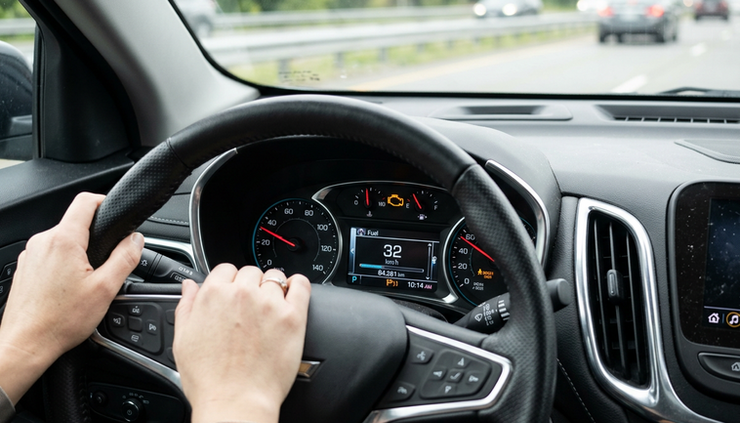
Dashboard warning lights stay on
A warning light means the vehicle has stored a fault or detected a system issue.
New noises appear
Grinding, knocking, squealing, humming, or clicking sounds should be checked.
Fluids collect under the car
Oil, coolant, transmission fluid, brake fluid, or power steering fluid leaks can lead to bigger problems.
The car smells unusual
Burning oil, hot brakes, fuel odors, or sweet coolant smells can point to trouble.
Performance changes
Poor acceleration, rough shifting, hard starting, or stalling should not be ignored.
Steering or braking feels different
Changes in control systems deserve quick attention.
A good rule is simple. If a symptom affects braking, steering, engine temperature, visibility, or the ability to control the car, treat it as urgent.
Regular maintenance helps prevent surprise repairs
Repairs fix problems. Maintenance helps prevent them. Both matter, but regular maintenance is usually less stressful and less expensive than emergency repair work.
Basic maintenance includes oil changes, tire rotations, brake inspections, fluid checks, filter replacements, battery testing, and routine inspections. The exact schedule depends on the vehicle, driving habits, mileage, and manufacturer recommendations.
Maintenance is especially helpful because it gives a technician a chance to catch wear before it becomes damage. A brake inspection can find thin pads before rotors are harmed. A cooling system check can find a weak hose before it bursts. A battery test can spot a failing battery before the car refuses to start.
Regular maintenance also supports:
Better fuel economy
Longer tire life
Smoother performance
Higher resale value
Fewer unexpected breakdowns
Safer daily driving
Think of maintenance as planned care. It gives you more control over timing and cost, instead of waiting for the vehicle to choose the worst possible moment to fail.
How to make timely repairs easier to manage
One reason people delay repairs is uncertainty. They may worry about cost, time, or whether the issue is serious. A few simple habits can make decisions easier.
Keep a small repair log. Note the date, mileage, symptoms, and work completed. This helps track patterns and gives a repair shop useful information.
Read the owner’s manual maintenance schedule. It explains when common services are due and can help separate routine upkeep from urgent repairs.
Ask for a clear explanation before approving work. A trustworthy shop should be able to explain what failed, why it matters, what should be fixed now, and what can be monitored.
Prioritize safety-related repairs first. Brakes, tires, steering, lights, wipers, and engine overheating should move to the top of the list.
Set aside a small vehicle maintenance fund if possible. Even modest savings can make it easier to approve repairs before they become emergencies.

The real value of fixing problems early
Putting off repairs may feel like saving money in the moment, but the delay often shifts the cost into the future. By then, the repair may be larger, the vehicle may be less safe, and the inconvenience may be greater.
Fixing problems early protects the parts around the failure. It keeps small issues from becoming major ones. It also helps preserve the vehicle’s reliability, which matters whether the car is used for commuting, school drop-offs, errands, road trips, or work.
The next time the car makes a new sound, smells strange, leaks fluid, or flashes a warning light, do not wait for the problem to get louder. A timely inspection can bring peace of mind, prevent damage, and keep the vehicle ready for the miles ahead.

Comments